
Case Study: The AFib Patient Who Had No Symptoms
September 2026
Case Study:
The AFib Patient Who Had No Symptoms
Dr. Ambreen Mohamed
Case Snapshot
A 70-year old patient with a history of hypertension and type 2 diabetes presented for routine cardiovascular evaluation.
No known history of atrial fibrillation.
No significant palpitations.
No syncope.
No obvious symptoms suggesting an arrhythmia.
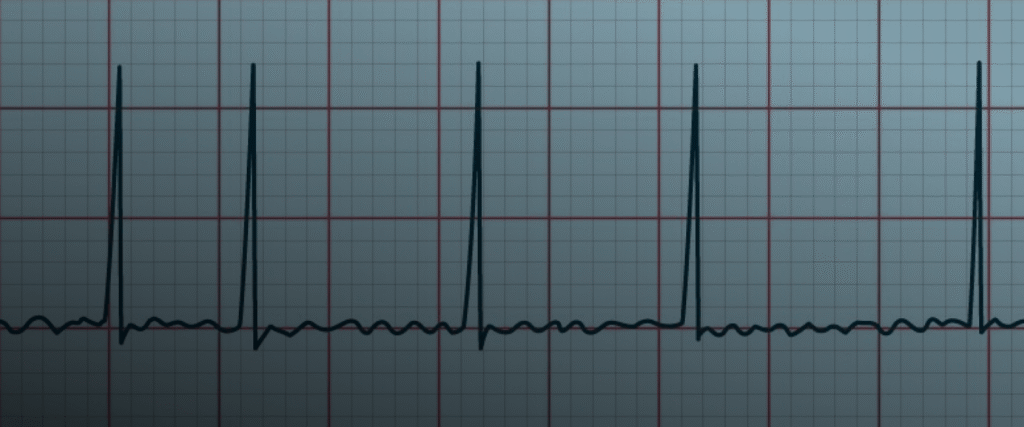
Because of intermittent heart rate irregularity noted during evaluation, we obtained an ambulatory cardiac monitor which revealed episodes of paroxysmal atrial fibrillation. The patient had no idea they were happening. And that finding changed the conversation.
With age 70, hypertension, and diabetes, the patient’s CHA₂DS₂-VASc score was at least 3, meaning that once clinical AF was established, stroke prevention became an important part of management. After discussing risks and benefits, anticoagulation was initiated, along with evaluation of modifiable AF risk factors and appropriate follow-up.
Learning points:
1. Atrial fibrillation can be completely silent.
Some patients never experience the classic sensation of a racing or irregular heartbeat.
2. Finding AF is only the first step.
Once AF is identified, the bigger question is what it means for that particular patient, especially their thromboembolic risk.
3. Stroke risk is driven heavily by the patient’s underlying risk factors.
Age, hypertension, diabetes, prior stroke, vascular disease, and other factors help guide the anticoagulation discussion.
4. AF management is more than rate or rhythm control.
It should also include assessment of blood pressure, diabetes, obesity, sleep apnea, alcohol use, physical activity, and other modifiable contributors.
5. Not every short atrial arrhythmia detected on a monitor should automatically be treated the same way.
Duration, rhythm confirmation, clinical context, and whether the finding represents established AF versus device-detected atrial high-rate episodes all matter.

Follow us for more perspectives and PulsePoint content from Heartbeat experts!